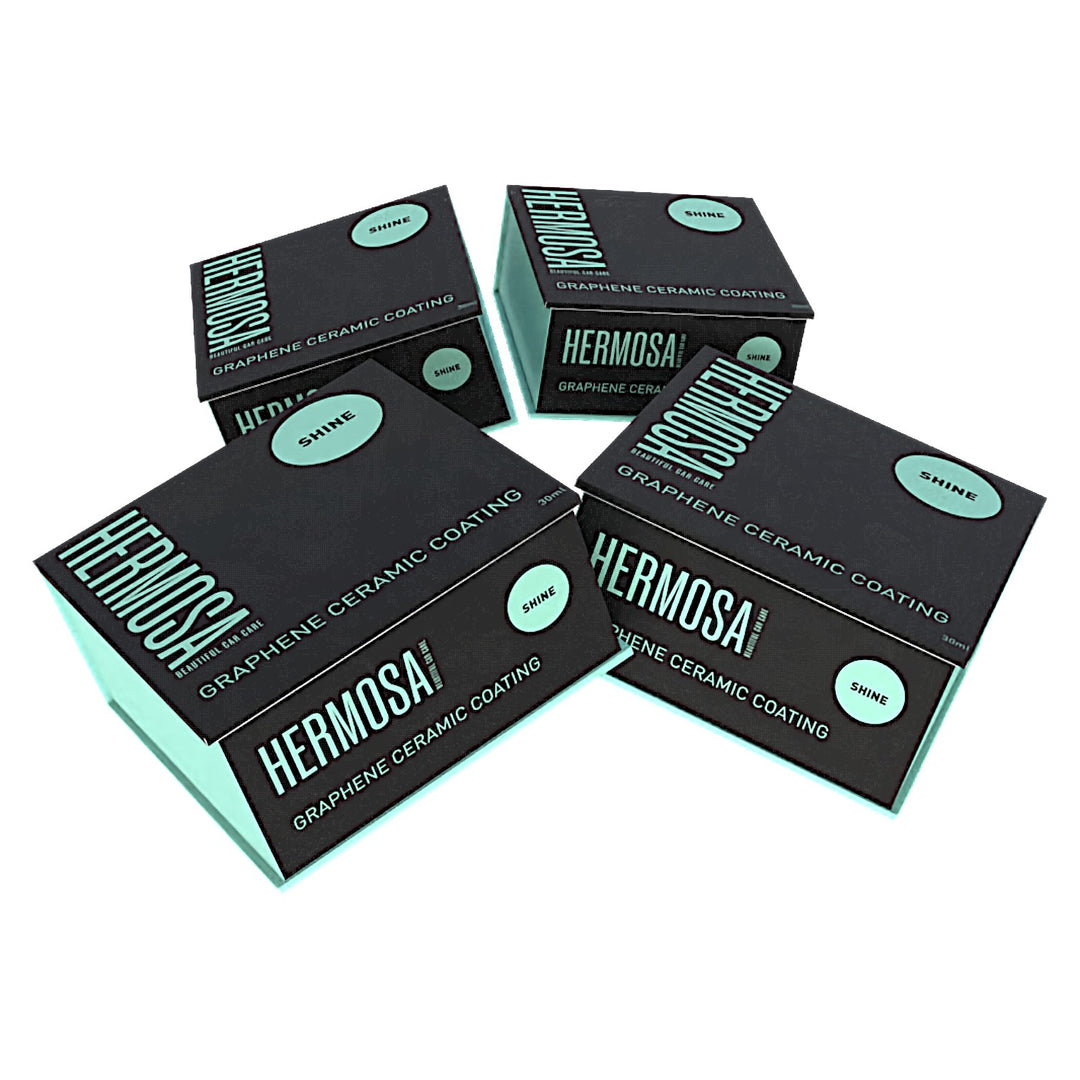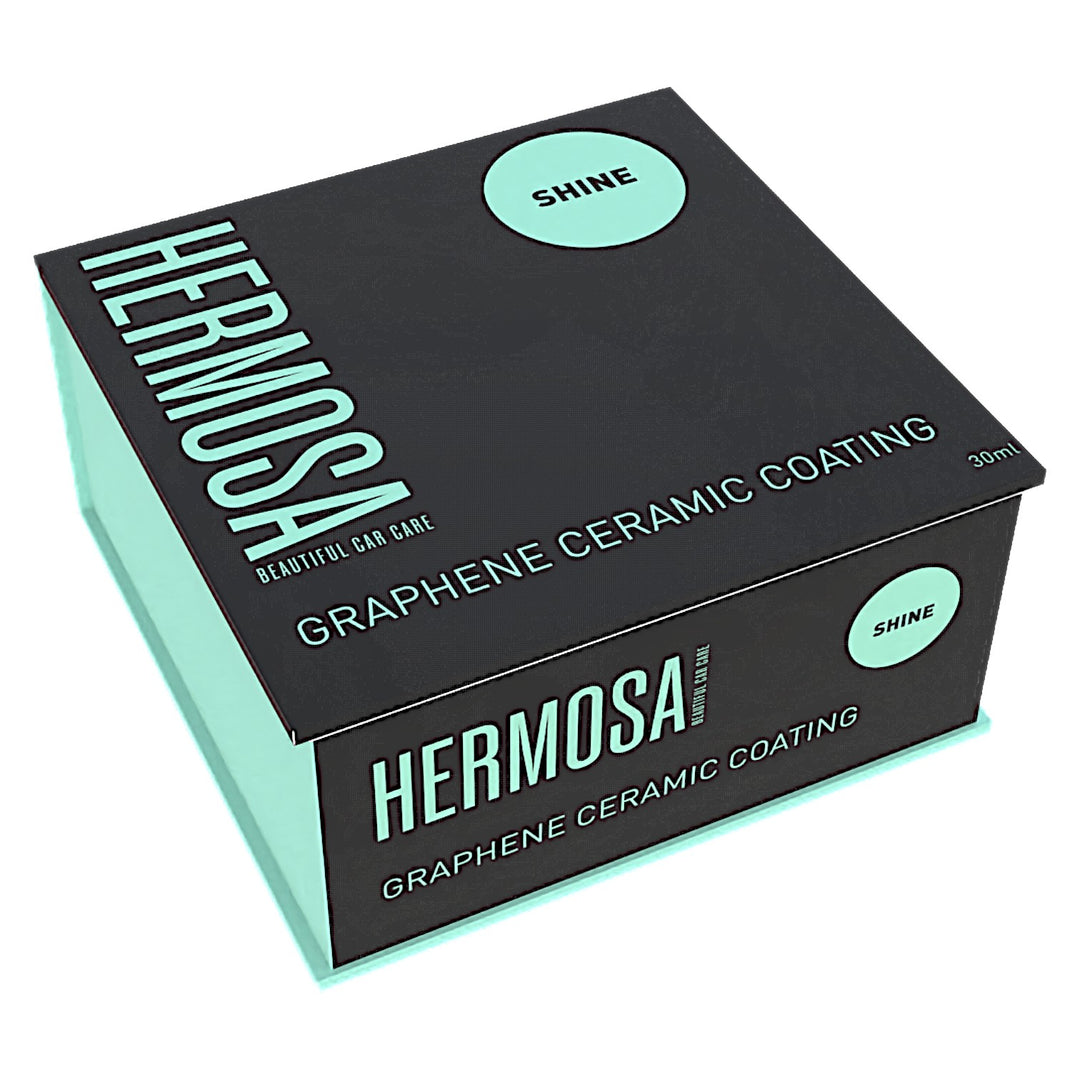

How Much Does 30 ml of Ceramic Coating Really Cover?
One of the most common questions we’re asked is:
“How far does a 30 ml ceramic coating actually go?”
You’ll often see claims like “covers a large SUV”, but without any context, that doesn’t always help. This guide explains what 30 ml realistically covers, why coverage varies, and how to decide if one bottle is right for your vehicle.
Realistic Coverage From 30 ml
With correct application, a 30 ml graphene ceramic coating will typically cover:
Approximately 20–30 m² of painted surface
This range reflects real-world use, not best-case or laboratory conditions.
It assumes:
▪︎ A thin, even application
▪︎ Clean and reasonably prepared surfaces
▪︎ One coat
Some users may achieve slightly more, but 20–30 m² is the honest, defensible range you can rely on.

What Does “Covers a Large SUV” Actually Mean?
When people refer to a “large SUV”, they’re usually talking about vehicles such as:
▪︎ Range Rover
▪︎ Land Cruiser
▪︎ Prado
▪︎ Large European or American SUVs
A typical large SUV breaks down roughly as follows:
▪︎ Roof: 3–4 m²
▪︎ Bonnet: 2–2.5 m²
▪︎ Sides (both): 8–10 m²
▪︎ Rear panels, pillars, miscellaneous areas: 3–4 m²
Total exterior painted area:
Approximately 18–24 m²
This means:
▪︎ One 30 ml bottle comfortably covers a large SUV with one coat
▪︎ Often with some product left over
▪︎ Especially on smooth, well-prepared paintwork
So yes — saying “covers a large SUV” is accurate when applied correctly.
Why Coverage Isn’t a Fixed Number
Ceramic coating coverage isn’t a single fixed figure because it depends on several factors:
▪︎ Surface condition
Oxidised or porous surfaces absorb more product.
▪︎ Preparation level
Corrected paint requires less coating than rough or weathered paint.
▪︎ Application technique
Thin, even layers go much further than overloading the applicator.
▪︎ Surface type
Fibreglass and gel coat typically use more product than modern automotive clear coat.
▪︎ Ambient and surface temperature
Higher ambient temperatures can cause the coating to evaporate more quickly from the applicator. Likewise, applying the coating to paintwork that is hot to the touch — particularly dark-coloured panels left in direct sunlight — can reduce working time and increase product usage compared to application at the recommended temperatures.
This is why reputable brands always quote ranges, not guarantees.
Automotive Paint vs Fibreglass & Gel Coat
For clarity:
▪︎ Corrected automotive paint
Coverage is often toward the upper end of the range (25–30 m²).
▪︎ Fibreglass / gel coat (caravans, boats, RVs)
Coverage is usually closer to the lower end (around 20–22 m²), especially where oxidation is present.
This difference is normal and reflects surface porosity rather than product performance.
The Takeaway
If you’re deciding whether 30 ml is enough, the answer is straightforward:
▪︎ 30 ml ≈ 20–30 m²
▪︎ A large SUV ≈ 18–24 m²
▪︎ One bottle is sufficient for a large SUV with one coat
As with any ceramic coating, preparation and application technique make the biggest difference to both coverage and final results.
If you’re unsure how much product you need for your vehicle or surface, we’re always happy to help you choose the right option.